
WeBeHigh Post
Are legal THC distillates (D8/D10) safe, and what are “lab results” or COAs?
Jan
Is Delta 8/10 Safe? The Truth About “Legal THC” and How to Read Lab Results
For many users, this is a dream come true: legal access to THC without a medical card. But for others, it raises a massive red flag. You might be asking yourself: “If this stuff is sold at a gas station, is it actually safe?” or “How can this be legal if it gets me high?”
We hear you. At WeBeHigh, we believe you shouldn’t have to be a chemist to know what you’re inhaling or eating.
In this guide, we are going to pull back the curtain on the safety of Delta 8 and Delta 10 distillates. We will explain exactly why some products are dangerous, why others are safe, and—most importantly—how to read the Certificate of Analysis (COA) so you never get scammed by “hot dog water” again.
The Elephant in the Room: Are Delta 8 and Delta 10 Safe?
The short answer: Yes, the cannabinoids themselves are likely safe. The manufacturing process is where the danger lies.
To understand why, you have to understand where these distillates come from. Unlike standard marijuana (Delta 9 THC), which grows naturally in abundance on the plant, Delta 8 and Delta 10 appear in very tiny amounts naturally. You can’t just squeeze a hemp plant and get a bucket of Delta 8.
The Science of “Synthesis”
To make enough Delta 8 to fill a vape cart, chemists have to synthesize it. They take CBD (which is cheap and abundant in hemp) and mix it with acids and solvents to chemically convert it into Delta 8 THC.
This process is called isomerization.
-
If done correctly by a professional lab: The solvents are washed away, the acids are neutralized, and you are left with a pure, clean THC oil.
-
If done cheaply in a garage: The final product can still contain leftover acids, harsh solvents, and unknown byproducts.
This is why “Gas Station Weed” has a bad reputation.
Since the hemp market is unregulated by the FDA, there is no one stopping a shady company from selling you dirty distillate. The safety of the product depends entirely on the ethics of the brand you are buying from.
What Could Be Hiding in Your Delta 8/10 THC Distillate?
If you buy from a source that doesn’t test their products, here is what you are risking.
1. Residual Solvents
To convert CBD to Delta 8, chemists use solvents like heptane, hexane, or toluene. These are industrial chemicals. If they aren’t purged correctly, you could be vaping them. Inhaling these can cause headaches, nausea, and long-term lung irritation.
2. Heavy Metals
Hemp is a “bio-accumulator.” That means it sucks up everything from the soil it grows in—including lead, mercury, and arsenic. If the hemp used to make the distillate was grown in dirty soil, those heavy metals end up concentrated in the oil.
3. Bleaching Agents
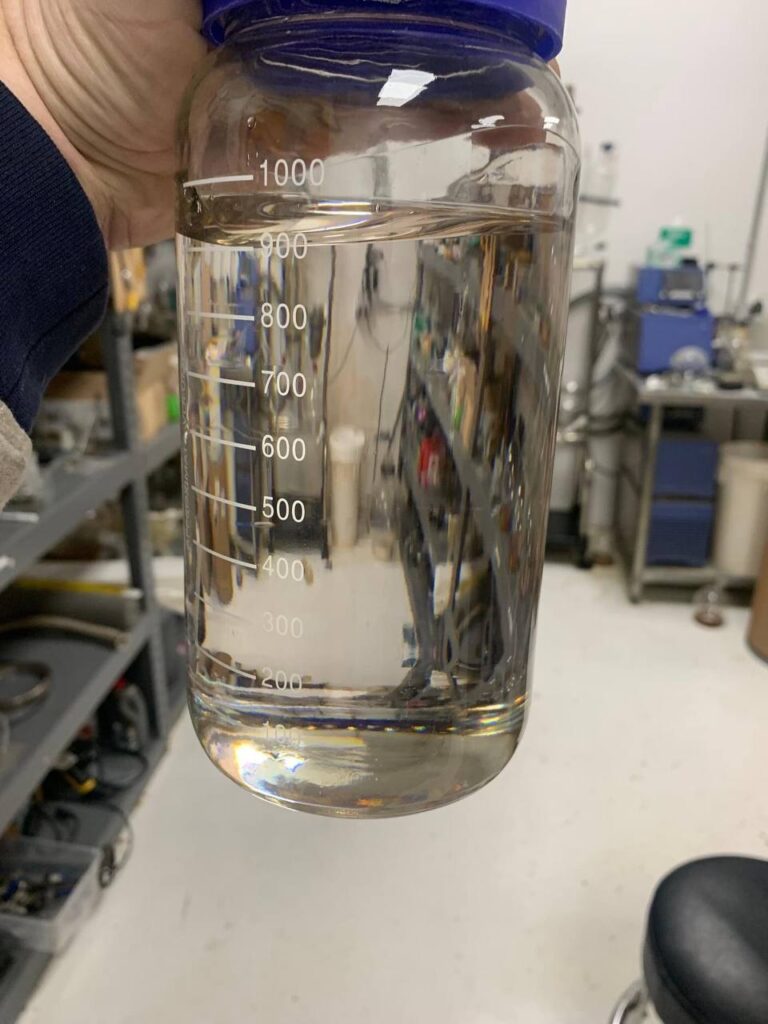
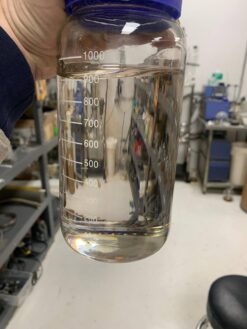
Have you ever seen water-clear Delta 8? Sometimes that is a sign of high purity. But sometimes, shady producers use bleaching clays to force the oil to look clear, even if it wasn’t refined properly.
The Solution: The Certificate of Analysis (COA)
So, how do you protect yourself? You have to become a detective. Your weapon of choice is the Certificate of Analysis, or COA.
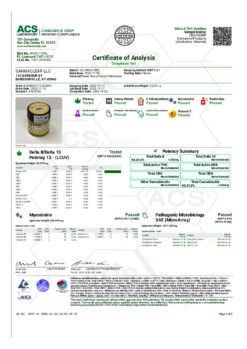
A COA is a document from an independent, third-party laboratory that tells you exactly what is in the product. If a product does not have a QR code linking to a COA, do not buy it.
How to Read a COA Like a Pro
When you scan that QR code, you’ll see a confusing document full of numbers. Don’t panic. You only need to check three specific things to know if the product is safe.
Step 1: Check the “Header” (Is it Real?)Scammers sometimes Photoshop COAs.
-
Look at the Date: Is the test from this year? If the report is two years old, that’s a red flag.
-
Look for the Batch Number: Does the batch number on the paper match the batch number printed on your package? If not, this test results belong to a completely different product.
Step 2: The Potency Test (Is it Strong?)
This is usually the first section. It lists the cannabinoids.
-
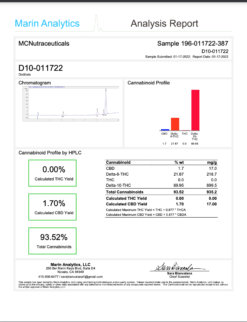
Total THC: This tells you if the product is actually potent. If you bought a “Delta 8” cart but the lab says it’s 90% CBD and only 2% Delta 8, you got ripped off.
-
Delta 9 Compliance: To be federally legal, the Delta 9 THC levels must be under 0.3%.
Step 3: The Safety Panel (The Most Important Part)
This is where most people mess up.
Many cheap brands only pay for a “Potency Only” test. This shows you the THC levels but hides the dirty secrets.
You must look for a Full Panel COA. Scroll down and look for these sections:
-
Pesticides: Look for the column that says “Status.” It should say PASS next to everything.
-
Residual Solvents: This is critical for distillates. Ensure it says PASS or ND (Non-Detect).
-
Heavy Metals: Ensure it says PASS.
-
Mycotoxins: This tests for mold and fungus.
Pro Tip: If you scan a QR code and it only shows you the potency (THC %) and doesn’t show you the tests for solvents or pesticides, that is a major warning sign. It’s like a restaurant showing you the menu but refusing to let you see the health inspection grade.
For a deeper dive into lab tests, check out our guide on COA Certificate of Analysis.
“Lab Results” vs. “Marketing Fluff”
Be careful of the phrase “Lab Tested.”
Any brand can claim they are “Lab Tested” if they tested the product once, five years ago.
Real Trust Indicators:
-
Batch Specific Testing: The lab result matches the specific batch in your hand.
-
Full Panel Testing: They aren’t hiding the solvent or pesticide results.
-
Accredited Labs: The test was done by a reputable lab (like ACS, KCA, or Marin Analytics), not “Bob’s Basement Lab.”
At WeBeHigh, we prioritize transparency. When you browse our Delta 8 Product Category or our Delta 10 Distillates, you are looking at products vetted for quality.
5 Frequently Asked Questions (FAQs)
We browsed Reddit communities like r/delta8 and r/cleanarts to find the most common safety questions users are asking right now.
1. Why does my Delta 8 cart make me cough so much?
Delta 8 THC is naturally harsher on the throat than Delta 9 (regular weed). This is a known property of the cannabinoid itself. However, if the coughing is painful, tastes chemical, or leaves a burning sensation, it could be due to excess terpenes (flavoring) or residual solvents. If it hurts, stop using it.
2. Is “Clear” distillate safer than “Amber” distillate?
Not necessarily.
-
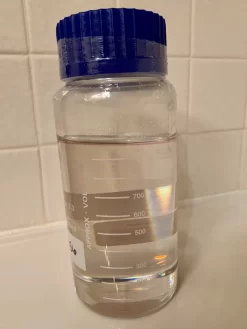
Clear usually means it has been bleached or distilled to a very high purity, stripping everything else away.
-
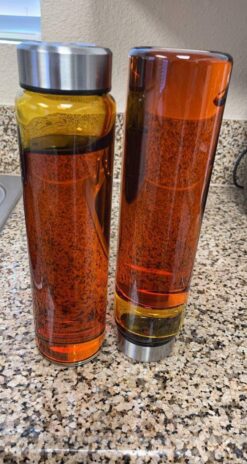
Amber or Rose colors often mean there is a small amount of oxidation (which is natural) or that it is a Full Spectrum mix.
Color is not a reliable safety test. A crystal-clear oil could still be full of solvents, and an amber oil could be perfectly clean. Always trust the COA, not your eyes.
3. Can I fail a drug test from “Legal” THC?
YES. We cannot stress this enough.
Standard drug tests look for a metabolite called THC-COOH. Your liver produces this metabolite whether you eat Delta 8, Delta 9, or Delta 10. A drug test cannot tell the difference between legal Delta 8 and illegal marijuana. If you have a drug test coming up, do not use these products.
4. What are “Reagents” on a lab test?
Reagents are the chemicals used to convert CBD into Delta 8 (the “magic ingredients” in the reaction). A good COA for synthesized distillates should test for these specific conversion chemicals to make sure none were left behind. This is rare in basic tests but standard in high-quality Full Panel tests.
5. Why is Delta 8 banned in some legal weed states?
This confuses everyone. Why would Colorado or California ban Delta 8?
It’s usually not because it’s “unsafe,” but because it is unregulated. Legal states have strict tax and safety systems for marijuana. Delta 8 often bypasses those taxes and safety checks, so states ban it to close the loophole and force people to buy from the regulated (taxed) market.
Summary: How to Buy THC Distillates Safely
Legal THC Distillates like Delta 8 and Delta 10 are a fantastic innovation, offering legal, mild highs to millions of people. But the lack of regulation means the burden of safety is on you.
The WeBeHigh Safety Checklist:
-
Only buy from brands that provide Full Panel COAs.
-
Check the COA for Solvents and Pesticides, not just potency.
-
Avoid gas station brands; stick to dedicated vendors who specialize in hemp.
-
Listen to your body. If a product feels “wrong” or harsh, toss it.
Ready to explore safely?
-
Check out our Comparison of Delta 8, 9, and 10 to find the right effect for you.
-
Browse our verified THC Distillates knowing you have the knowledge to choose wisely.
External Resources for further reading:
Buy Delta 8/10 THC Distillates from WeBeHigh

Delta 10 THC Distillates
CAT1 THC Distillate (Food Grade) For Sale: Maximum Potency, Minimum Price

Delta 10 THC Distillates
Pure CAT2 THC Distillate (Up to 98% Potency) For Sale: The People’s Choice

Delta 10 THC Distillates
Delta 8 THC Distillate Oil
Delta 8 THC Distillate Oil
Delta 8 THC Distillate Oil
Buy 1 Liter Bulk 93% Pure Delta 8 THC Distillate From WebeHigh
Delta 10 THC Distillates
